
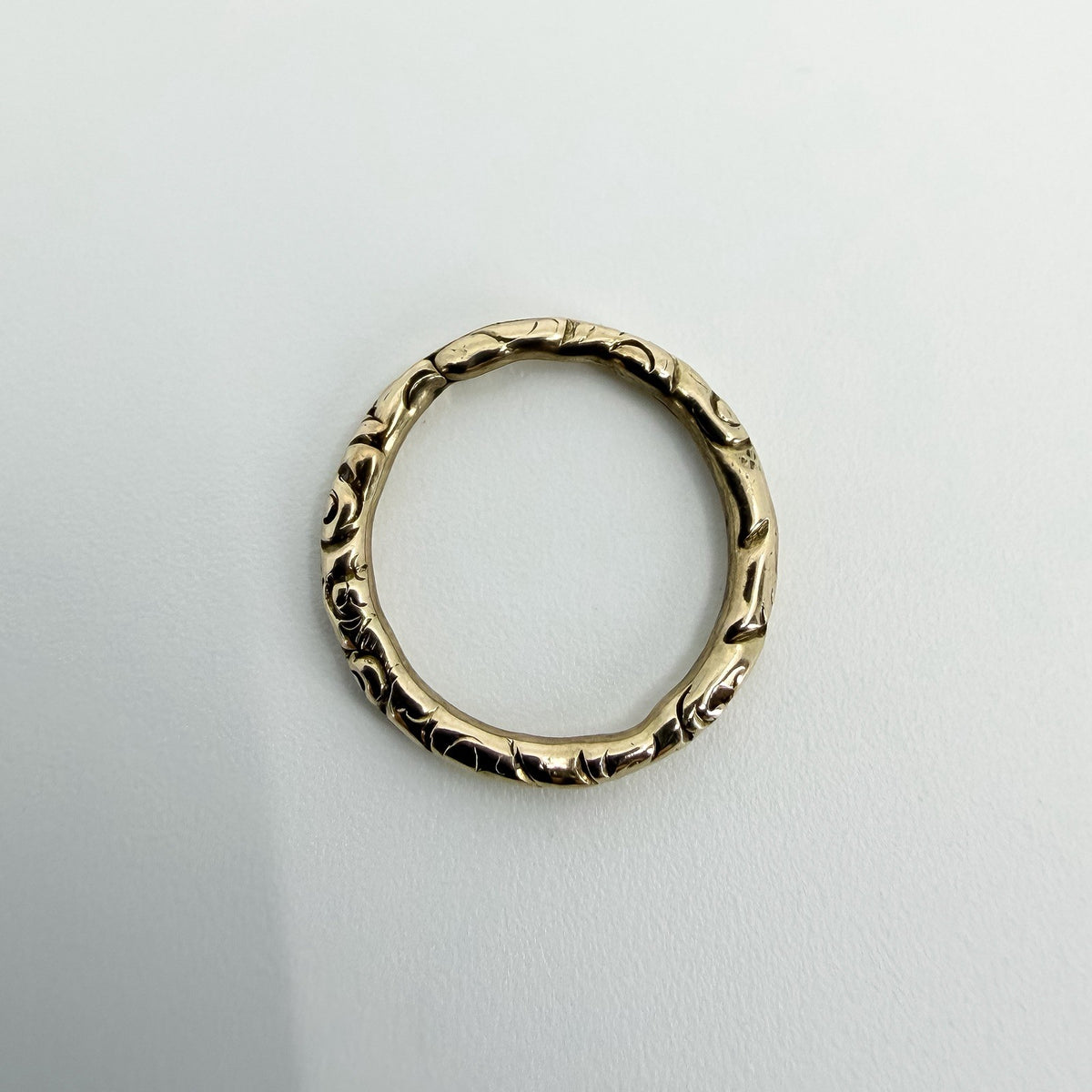

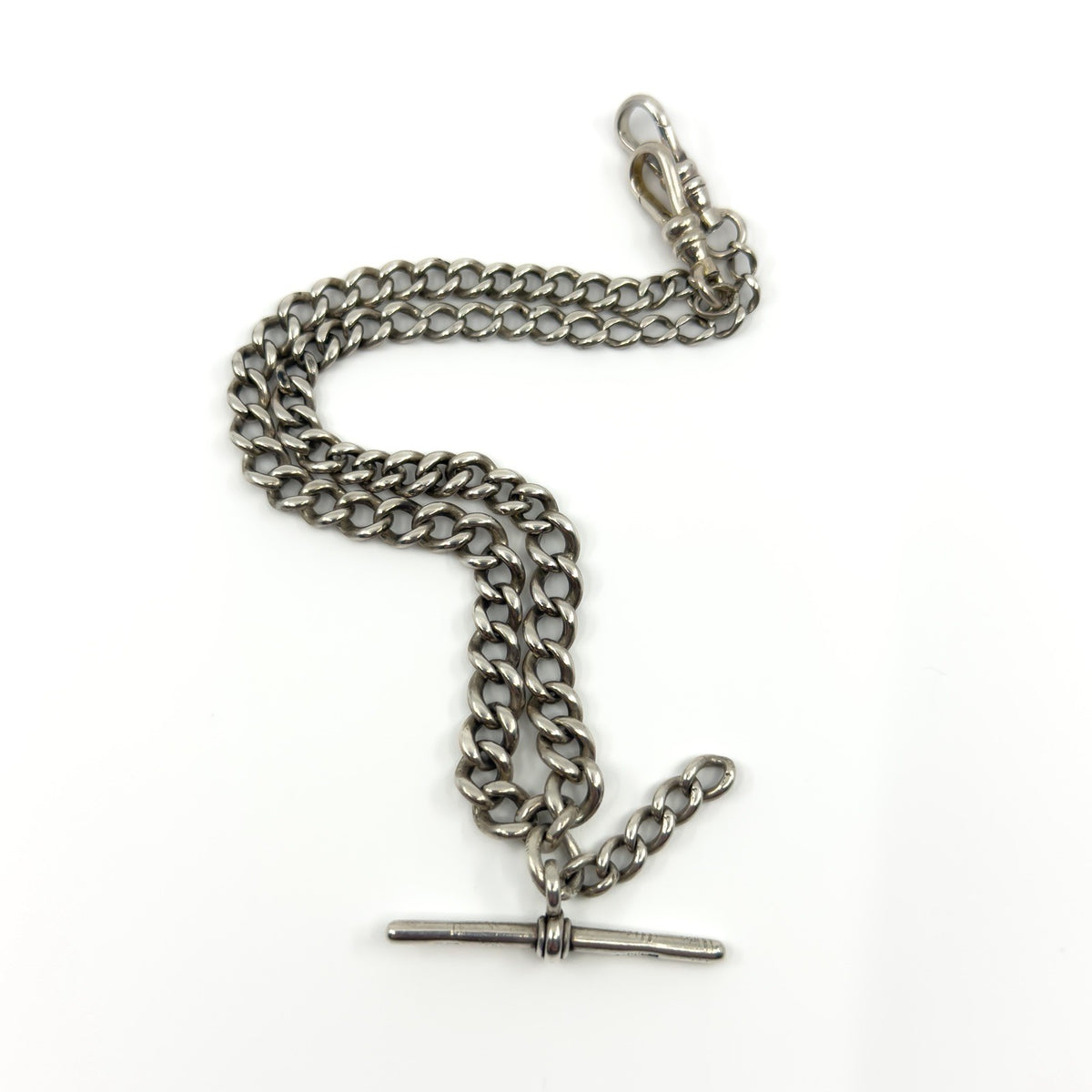

Why 12ct and 15ct Gold Are Sought After in Antique Jewellery
12ct and 15ct gold stand out because they belong to an older chapter of British jewellery history. They are no longer current UK gold standards, so when they appear on a piece today they often catch the eye of buyers who like jewellery with a stronger sense of age, period and character.
These marks are most strongly associated with British jewellery and pieces made for the British market. Their appeal usually comes from historical interest, rarity and period identity, rather than simply being “better” than another gold standard. If you want a broader introduction to official marks, see How to Read Hallmarks in Vintage and Secondhand Jewellery. If you are also comparing purity numbers, Gold Carat Guide: What Gold Purity Marks Mean is a useful companion to this post.
Jump to a section
- What 12ct and 15ct Gold Mean
- When They Were Used in Britain
- Why They Stand Out Today
- Why 15ct Is Often More Sought After
- Why 12ct Is Rarer and More Niche
- What Marks You May See
- How to Judge a Piece Properly
- FAQs
- You Might Also Like
- Final Thoughts
- About Ps Its Vintage
- References


What 12ct and 15ct Gold Mean
12ct gold means the alloy is 12 parts gold out of 24, which works out at 50% gold. 15ct gold means 15 parts gold out of 24, which works out at 62.5% gold.
That makes 12ct a mid-range historical gold standard, while 15ct sits closer to the richer end of antique British gold. Both are useful because they tell you something immediate about purity, but they also tell you something about period.
Part of the appeal is exactly that. These are not modern everyday UK standards, so they feel more closely tied to older British jewellery when they appear on a genuine period piece.


When They Were Used in Britain
In Britain, 9ct, 12ct and 15ct gold standards were introduced in 1854. A year later, gold wedding rings were made liable for hallmarking for the first time. In 1932, 12ct and 15ct were discontinued and 14ct was introduced in their place.
That timeline matters because it gives buyers a useful dating clue. A piece marked 12ct or 15ct is usually linked to an older British hallmarking context rather than the current British standard system.
That does not date a piece to one exact year on its own, but it does place it within a narrower historical window than a modern 375, 585 or 750 mark would.
Why They Stand Out Today
Collectors and antique buyers tend to notice 12ct and 15ct because they are discontinued standards. That makes them feel more specific to a period, rather than part of the current jewellery market.
They also stand out because they are not marks most casual buyers expect to see. People are more used to 9ct, 14ct, 18ct, 22ct, 375, 585 and 750. So when 12ct, 15ct, 500 or 625 appear, they usually prompt a closer look.
In other words, their appeal is not only about gold content. It is also about recognition, rarity and the sense that the piece belongs to an older British jewellery tradition.


Why 15ct Is Often More Sought After
Of the two, 15ct is often the more widely recognised collector standard. At 62.5% gold, it offers a richer gold content than 14ct while still sitting below 18ct, and it has a warm antique tone that suits many Victorian and Edwardian pieces especially well.
It appears across many types of period jewellery, from rings and brooches to chains, lockets and pendants. That broader presence makes it more familiar to antique buyers than 12ct.
Most importantly, 15ct has a strong period identity. It is clearly old British gold, but it still feels wearable and recognisable to modern buyers. That is a big part of why collectors often pay attention to it.

Why 12ct Is Rarer and More Niche
12ct is usually the scarcer and more niche of the two. It tends to be seen less often than 15ct in today’s antique market, which is one reason it draws interest when it does appear.
That scarcity makes it interesting, but rarity alone does not automatically make it more desirable than 15ct. For many buyers, 12ct is more of a curiosity and a historical talking point than a standard they were already hoping to find.
So the practical distinction is this: 15ct is often the more broadly recognised antique standard, while 12ct is often the more unusual one. Both can be appealing, but they tend to attract attention for slightly different reasons.
What Marks You May See
On older British pieces, you may see 15ct marked as 15, 15ct or 625. For 12ct, you may see 12, 12ct or 500. Some pieces carry a fuller set of hallmarks, while others show a simpler stamp.
This is where it helps to separate purity from full hallmarking. A simple 15ct or 625 stamp can be useful, but a full hallmark gives stronger evidence because it adds other official marks such as the sponsor’s mark, the assay office mark and the fineness mark.
If the marks are worn, partial or unclear, the rest of the piece matters too. Construction, fittings, style, wear and any surviving hallmark details should all make sense together.


How to Judge a Piece Properly
If you find a piece marked 12ct or 15ct, start with the obvious question: is it a simple stamp, or a full official hallmark? Then look at whether the style, fittings and wear pattern make sense for the age being suggested.
It also helps to stay realistic. A 15ct mark does not automatically make a piece better than another gold standard, and a 12ct mark does not automatically make it more valuable because it is scarcer. Buyers still need to judge condition, craftsmanship, proportions, gemstone quality and whether the piece is genuinely appealing in its own right.
That said, these old standards do matter. They can add period confidence, help with dating, and make a piece feel more distinctive than jewellery carrying only modern familiar standards.
If you want help understanding why some genuine pieces still do not carry a full hallmark, you may find Why Some Gold Jewellery Has No Hallmark helpful too.
FAQs
15ct gold means the alloy contains 15 parts gold out of 24, which equals 62.5% gold.
12ct gold means the alloy contains 12 parts gold out of 24, which equals 50% gold.
They are old British gold standards that were discontinued in 1932. Because they are no longer current UK standards, they help identify jewellery as belonging to an earlier period.
Often, yes. 15ct is usually the more widely recognised collector standard, while 12ct is often scarcer and more niche. They attract attention for slightly different reasons.
In today’s antique market, 12ct is generally seen less often than 15ct. That makes it more unusual, but rarity alone does not automatically make it more valuable.
You may see 15, 15ct or 625 for 15ct, and 12, 12ct or 500 for 12ct, depending on the piece and how it was marked.
It is a strong clue to age in British jewellery, but it is still best to judge the full hallmark, construction and style together rather than relying on one mark alone.
No. They were discontinued in 1932 when 14ct was introduced in their place.
You Might Also Like
- Gold Carat Guide: What Gold Purity Marks Mean
- How to Read Hallmarks in Vintage and Secondhand Jewellery
- Why Some Gold Jewellery Has No Hallmark
Final Thoughts
12ct and 15ct gold are sought after because they do more than describe purity. They point to a particular chapter of British jewellery history and help give antique pieces a clearer period identity.
Of the two, 15ct is usually the more widely recognised collector standard, while 12ct is often the scarcer and more niche find. Both matter because they add context, character and a stronger sense of age. If you would like to browse more preloved, vintage and antique gold jewellery, you can explore the collections at Ps Its Vintage.
Please note: This guide is provided for general information only. Every effort is made to check the information against recognised sources, but jewellery can vary and identification from photographs or written descriptions is not conclusive. Important decisions about authenticity, value, condition, repairs or care should be confirmed by an appropriately qualified professional who can examine the piece in person.
About Ps Its Vintage
Ps Its Vintage is independently run and specialises in preloved, vintage and antique jewellery. Every piece is chosen for its character, quality and symbolism, with a focus on hallmarks, makers and meaningful design. Whether you’re checking old gold standards, comparing purity marks, or looking for a piece with real period character, this guide is here to help you choose with confidence.