


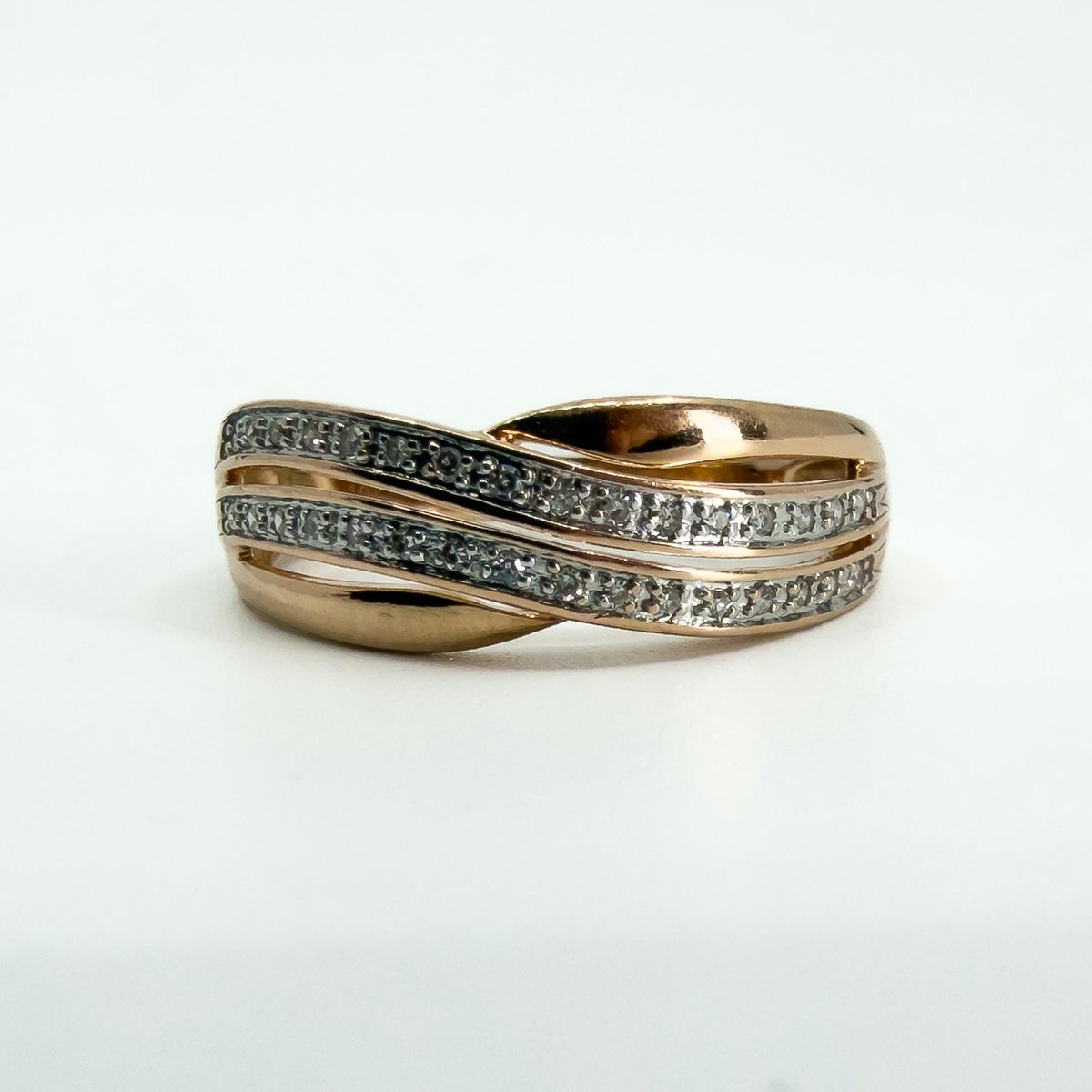
August Birthstone Jewellery: Peridot, Spinel and Sardonyx
August is an unusual birth month because it has three recognised birthstones: fresh green peridot, colourful spinel and banded sardonyx. From bright mid-century rings to classical cameos, each one shows up differently in vintage and antique jewellery.
This guide looks at how August’s stones developed, what their colours and meanings are, how they behave in rings and other pieces, and what to know about treatments, synthetics and care. For a month-by-month overview, see the Birthstones by Month guide. If you enjoy the stories behind motifs, the Jewellery Symbolism Guide is a nice companion read.
Jump to a section
- History of August’s Birthstones
- Symbolism and Colour
- Peridot, Spinel and Sardonyx at a Glance
- Varieties and What to Expect
- Design Through the Eras
- Natural vs Synthetic and Imitations
- Care in Brief
- FAQs
- You Might Also Like
- Final Thoughts
- About Ps Its Vintage
- References
History of August’s Birthstones
Peridot, spinel and sardonyx all have long histories, but they arrived on the modern birthstone list at different times. Sardonyx was the original gem linked to August in older Western lists, thanks to its use in cameos, seals and intaglios from classical times onward.
Peridot has been mined for centuries, notably on Egypt’s Zabargad (St John’s) Island, and appears in medieval church treasures and later European jewellery. Its bright, slightly golden green made it a natural choice when peridot was adopted as August’s primary modern birthstone.
Spinel’s story is different again. Red spinels were long mistaken for rubies in royal jewels, including famous stones such as the Black Prince’s “ruby” in the British Imperial State Crown. Only in the eighteenth century did mineralogists separate spinel from ruby as a distinct species. In 2016, spinel was officially added as an August birthstone alongside peridot and sardonyx, giving August three recognised stones.
Symbolism and Colour
Peridot. Often linked with warmth, renewal and protection, peridot’s colour runs from fresh yellow-green to richer olive tones. The green comes from iron in the crystal structure itself, so peridot is always some shade of green rather than a mix of different body colours.
Spinel. Spinel is associated with energy, resilience and balance. Natural stones appear in a wide palette: vivid reds and pinks, lavender, violet, blue, steely grey and softer pastels. Red spinel in particular shares the same colouring element as ruby (chromium), which helps explain the long history of confusion between them.
Sardonyx. Sardonyx combines reddish-brown sard with white or black onyx in layered bands. It has been linked with courage, clear communication and stability in relationships, which is why it appears so often in sentimental jewellery, signet rings and carved pieces.


Peridot, Spinel and Sardonyx at a Glance
Peridot. Peridot is the gem variety of olivine, a magnesium iron silicate. It has a hardness of about 6.5 to 7 on the Mohs scale with fair to good toughness, so it can work in rings with sensible care but is softer than stones such as sapphire or spinel.
Spinel. Spinel is magnesium aluminium oxide and usually measures around 8 on the Mohs scale, with generally good toughness and no cleavage. This makes it a robust choice for everyday rings, bangles and pendants when set securely.
Sardonyx. Sardonyx is a banded variety of chalcedony made up of layers of sard (a reddish or brownish chalcedony) and onyx. It typically has a hardness around 6.5 to 7, similar to other agates and chalcedonies, which is durable enough for pendants, brooches and rings if they are not subjected to hard knocks.
Everyday wear. Of the three, spinel is usually the most straightforward option for frequent ring wear. Peridot and sardonyx can also be enjoyed in rings, especially if the settings offer some protection, but many people prefer them as occasional-wear pieces or choose pendants and earrings for lower maintenance. For ring sizing help, you can use the Ring Size Calculator.
Varieties and What to Expect
Peridot varieties. In jewellery you will mostly see standard green peridot rather than named types. Fine stones have a lively, even colour, with minimal visible inclusions. Larger stones can show slightly deeper olive or bottle-green tones, while small accent stones often look a brighter yellow-green. In some antique and vintage pieces you may see stones set over foil backs to boost colour and light return.
Spinel varieties. Natural spinel comes in a wide spectrum, from intense ruby-like reds and hot pinks to softer pastels and sophisticated blues and greys. You may also encounter synthetic spinel, which has been manufactured since the early twentieth century using methods such as flame-fusion and later flux growth. Bright, very clean stones in strong colours set in some mid-century dress rings or birthstone lines are often synthetic, while natural spinels today are more likely to appear in higher-end or specialist pieces.
Sardonyx appearance. Sardonyx is defined by its stripes: bands of reddish or brownish sard alternating with white or black chalcedony. It has long been used for cameos, intaglios and signet rings where the different layers can be carved to create contrast. Many modern examples are dyed to sharpen the colour and banding, so clear descriptions and reputable sources are important when comparing pieces.
Design Through the Eras
Victorian. You may see peridot in late Victorian jewels, often in warm yellow gold with seed pearls or diamonds for contrast. Sardonyx appears in carved cameos, classical portrait brooches and signet-style rings, making use of its layered structure.
Edwardian. Light, lacy settings in platinum and gold suit peridot’s fresh colour. Fine old-cut diamonds and milgrain details make peridot clusters and pendants feel airy. Spinel is less obviously labelled in this era but may appear in pieces described historically as ruby or sapphire until more precise gem testing became common.
Art Deco. Strong geometry and colour blocking make this a good era for both peridot and spinel. You might see channel-set bands, square or emerald cuts and bold cocktail rings. Black and white banded chalcedonies, including sardonyx, sometimes appear in Deco-style cameos and carved panels.
Mid century and later. Birthstone rings became popular in the mid-twentieth century, and synthetic spinel was widely used in affordable lines of jewellery in many colours. Vintage peridot pieces from this period often feature clean, simple claw or bezel settings in yellow gold, while sardonyx is more likely to show up in traditional signet rings, brooches and pendants with a classical or heraldic feel.


Natural vs Synthetic and Imitations
Peridot. Most peridot on the market is natural and either untreated or only minimally treated. Heat treatment is rare, and the stone’s colour is generally stable under normal conditions. Because peridot is softer than many other gems, you may see surface wear on older stones, especially those in rings. As with any gem, there are also glass imitations and mislabelled green stones, so age alone is not proof of identity.
Spinel. Natural spinel has been prized for centuries, but synthetic spinel is also very common and has been mass-produced for jewellery since the early twentieth century. Synthetic spinels are real spinel in terms of chemistry and crystal structure, but grown in a lab rather than formed in the earth. In addition, synthetic spinel has often been used to imitate other gems such as sapphire or emerald. For significant purchases, especially where value is heavily tied to the stone itself, independent reports can help clarify whether a spinel is natural or synthetic.
Sardonyx. Sardonyx is usually natural chalcedony, but it is commonly dyed to strengthen the contrast between the bands. That practice is long-standing and not inherently negative, but it should be disclosed. Carved cameos may combine natural colour zoning and dye, and some modern “cameos” are made from other materials altogether, so again, buying from transparent sellers is key.
Practical note. In vintage and antique jewellery it is tempting to assume that older pieces automatically contain natural, untreated stones. In reality, assembled, synthetic and replacement stones have been part of the jewellery world for more than a century. Clear descriptions, consistent testing methods and, where appropriate, gemmological reports are the best tools for comparing like with like.


Care in Brief
Peridot. Peridot has moderate hardness and fair to good toughness, but it can be scratched or chipped if knocked against harder materials. Rapid or uneven heat can cause peridot to fracture, and it can be attacked by strong acids over time. Warm, mildly soapy water and a soft brush are the safest cleaning method. Ultrasonic and steam cleaners are not recommended.
Spinel. Spinel’s hardness and toughness make it one of the more durable coloured stones for regular wear. Warm soapy water and a soft brush are suitable for most pieces. Ultrasonic and steam cleaning are usually safe for untreated or simply heat-treated stones, but should be avoided for fracture-filled or assembled material where present. If you are unsure about treatments, stick to gentle cleaning.
Sardonyx. Sardonyx sits around 6.5 to 7 on the Mohs scale, similar to other chalcedonies. It is generally sturdy, but edges on carved cameos and intaglios can be vulnerable. Warm soapy water and a soft brush are the safest option. Avoid strong chemicals, prolonged high heat and aggressive ultrasonic or steam cleaning, especially for dyed stones.
FAQs
Modern lists recognise three birthstones for August: peridot, spinel and sardonyx. Sardonyx is the oldest association, peridot later became the primary modern stone, and spinel was officially added in 2016.
Peridot can be worn in rings, but with some care. With a hardness around 6.5 to 7 and fair to good toughness, it is more prone to surface wear than harder gems. Many people treat peridot rings as occasional-wear pieces, reserving daily wear for more robust stones or for settings that offer extra protection.
Some vintage pieces contain natural spinel, but synthetic spinel has been widely used since the early twentieth century and is very common in mid-century birthstone and dress jewellery. Visual clues such as very strong, uniform colour and exceptional clarity can sometimes suggest synthetic origin, but laboratory testing is the only reliable way to be sure.
Sardonyx is a banded variety of chalcedony made of layers of reddish or brownish sard and white or black onyx. It has been used for thousands of years in carved cameos, intaglios, seals and signet rings, and it remains one of the traditional birthstones for August.
Peridot is rarely treated and is usually sold in a near-natural state, though minor heat treatment or foiling has been reported. Spinel is often untreated but can be heat treated; more intensive treatments such as fracture filling exist but are relatively uncommon. Sardonyx is frequently dyed to enhance its banding and colour. Reputable sellers should disclose any known treatments so you can compare pieces fairly.
You Might Also Like
- Birthstones by Month: Complete Guide
- July Birthstone Jewellery: Ruby Guide
- September Birthstone Jewellery: Sapphire Guide
Final Thoughts
August offers real choice. Peridot brings fresh green light, spinel offers a whole palette from ruby-like reds to cool blues, and sardonyx gives you bold, banded character in carved and signet-style pieces. Explore the colours and eras that appeal to you, and when you are ready to browse, a good starting point is Rings or a regular check of New Arrivals.
Please note: This guide is provided for general information only. Every effort is made to check the information against recognised sources, but jewellery can vary and identification from photographs or written descriptions is not conclusive. Important decisions about authenticity, value, condition, repairs or care should be confirmed by an appropriately qualified professional who can examine the piece in person.
About Ps Its Vintage
Ps Its Vintage is independently run and specialises in preloved, vintage and antique jewellery. Every piece is chosen for its character, quality and symbolism, with a focus on hallmarks, makers and meaningful design. Whether you are exploring birthstones or choosing a meaningful August piece, this guide is here to help you choose with confidence.
References
- GIA — August Birthstones: Peridot, Spinel and Sardonyx
- GIA — Peridot: history, properties and origins
- GIA — Peridot Care and Cleaning Guide
- GIA — Spinel: overview and properties
- GIA — Spinel Care and Cleaning Guide
- American Gem Society — August Birthstones
- International Gem Society — Chalcedony, Onyx and Sardonyx
- JCK — What’s the Deal with Sardonyx?